
Many people often ask an important question: where does social assistance money actually go?
In Indonesia, young single mothers are usually not officially included as recipients of government social assistance. Yet many of them face difficult and complicated situations. They must care for children, manage household expenses, survive unstable incomes, and deal with social pressure at the same time.
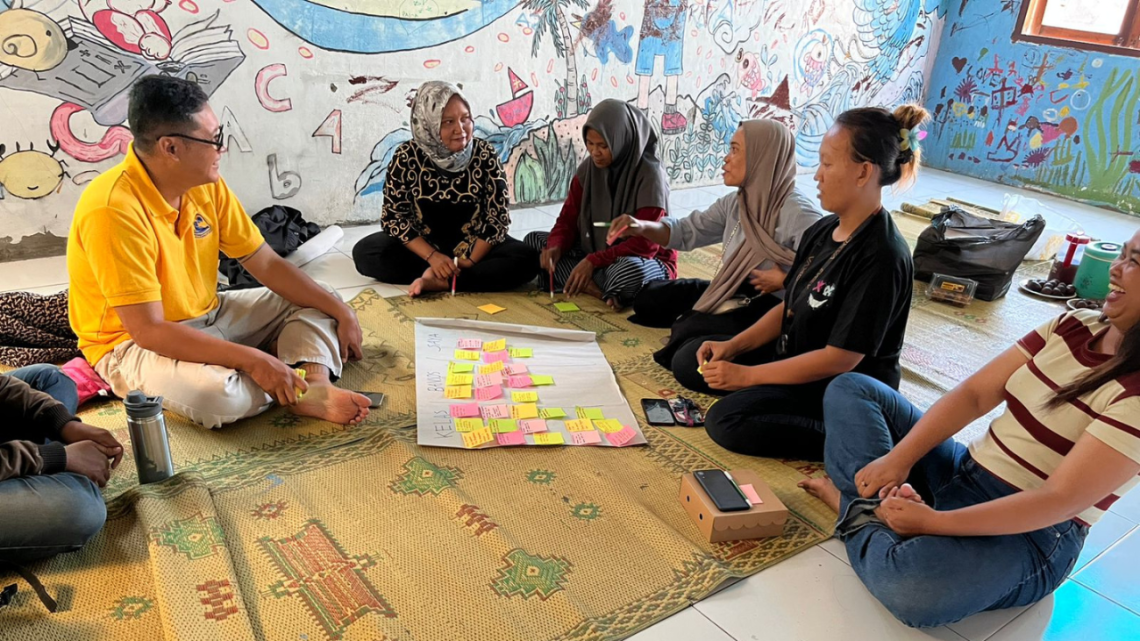
Because of this reality, Harapan Fian created a cash assistance program specifically for young single mothers. We give IDR 250.000 each mother for a month and supervision class once a month.
The support is designed to be flexible. Every family has different urgent needs, so participants decide for themselves how the assistance should be used. This approach respects their experiences and helps families respond to their most immediate problems.
The social assistance is commonly used for:
- paying debts
- rent or boarding house payments
- buying food and daily necessities
- children’s school expenses
- school equipment such as shoes
- small business capital
- urgent household needs
- small savings
For many families, the assistance directly helps them survive difficult weeks or months. Some mothers use the money to keep a roof over their heads. Others use it to make sure their children can continue going to school.
Interestingly, several participants also use the assistance to grow small businesses. Some start small trading activities, while others sell seasonal food or products. This shows that cash assistance is not only used for daily consumption. It can also become a survival strategy and a starting point for economic recovery.
The impact of the program is also strongly felt by children in the family. The assistance helps cover:
- school fees
- children’s pocket money
- food for the family
For families living in vulnerable situations, even small support can reduce stress and create more stability at home.
Through this experience, Harapan Fian sees social assistance as more than temporary aid. It works as:
- short-term social protection
- an economic buffer for households
- small-scale productive capital
Behind every amount of assistance, there is a story of a mother trying to survive, protect her children, and continue moving forward.
At Harapan Fian, we believe support should not only help people today, but also give them space to rebuild hope for tomorrow.